
Refine
Shop







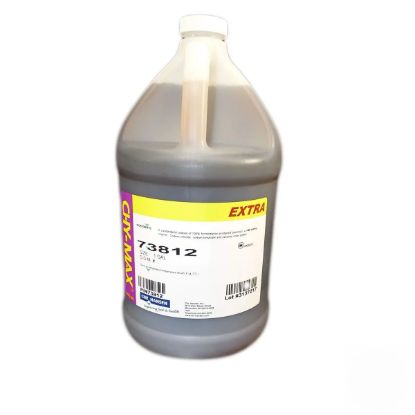
CHY-MAX® Extra coagulant 1 gal
I200PRE0026
CHY-MAX® Extra can be used for producing any type of cheese; hard, semi-hard, soft, mold-ripened, low-fat and ingredient cheeses.
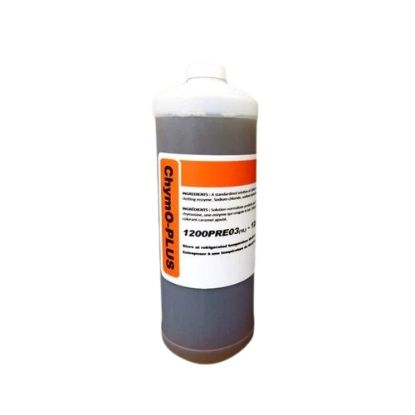
ChymO-PLUS coagulant 600 IMCU 1 L
I200PRE0031
ChymO-PLUS can be used for producing any type of cheese; hard, semi-hard, soft, mold-ripened, low-fat and ingredient cheeses.
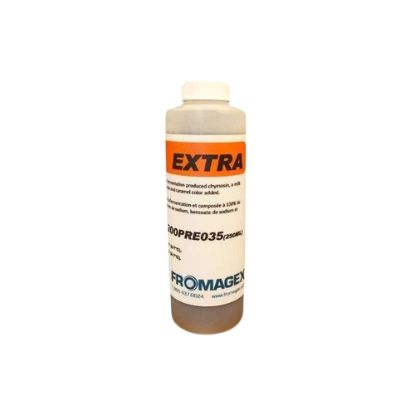
ChymO-PLUS coagulant 600 IMCU 250 ml
I200PRE0035
ChymO-PLUS can be used for producing any type of cheese; hard, semi-hard, soft, mold-ripened, low-fat and ingredient cheeses.
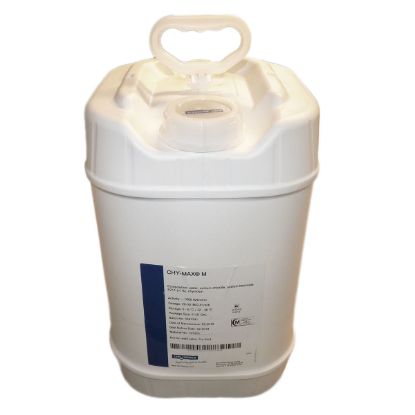
CHY-MAX® M coagulant 5gal
I200PRE0060
CHY-MAX® M can be used for producing any type of cheese; hard, semi-hard, soft, mold-ripened, low-fat and ingredient cheeses.
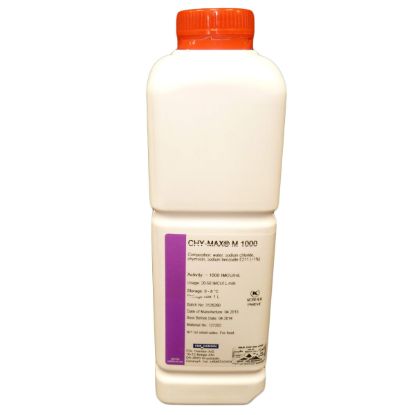
CHY-MAX® M 1000 coagulant 1 L
I200PRE0070
CHY-MAX® M 1000 can be used for producing any type of cheese; hard, semi-hard, soft, mold-ripened, low-fat and ingredient cheeses.
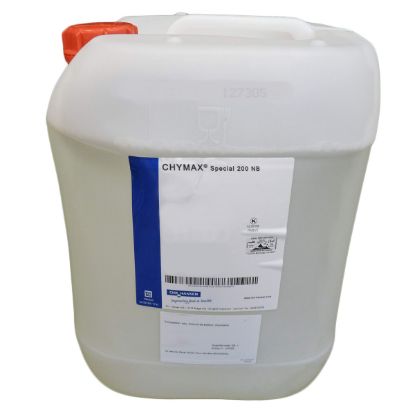
CHY-MAX® Supreme 1000 NB coagulant (5gal)
I200PRE0090
CHY-MAX® Supreme 1000 NB can be used for producing any type of cheese; hard, semi-hard, soft, mold-ripened, low-fat and ingredient cheeses.
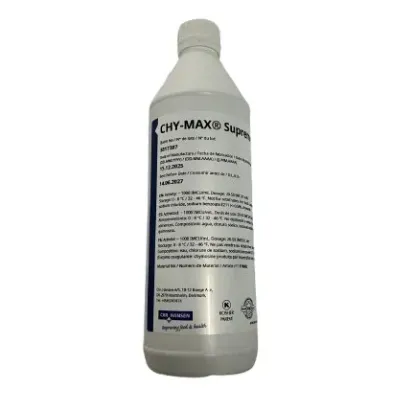
CHY-MAX® Supreme 1000 coagulant (1L)
I200PRE0092
CHY-MAX® Supreme 1000 can be used for producing any type of cheese; hard, semi-hard, soft, mold-ripened, low-fat and ingredient cheeses.
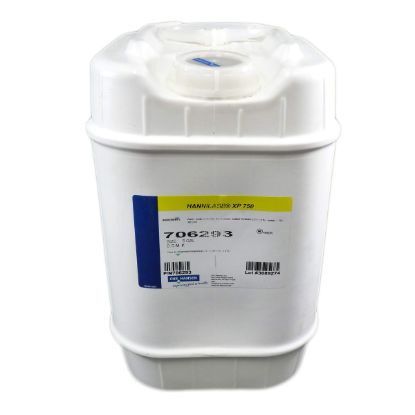
MICROLANT® Classic 750 coagulant (5gal)
I200PRE0205
MICROLANT® Classic 750 can be used for producing any type of cheese; hard, semi-hard, soft, mold-ripened, low-fat and ingredient cheeses. However, due to high unspecific proteolitic activity, the use of this product is ideally suited for producing young cheeses and is not recommended for cheese makers looking for high yield or for mature cheeses without bitterness.
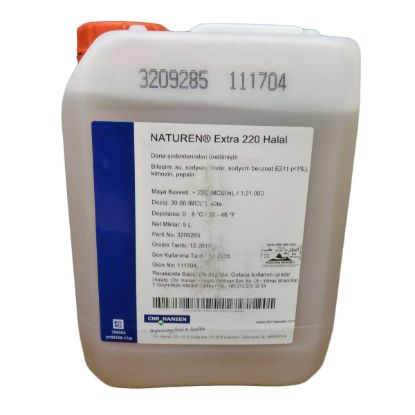
Natural rennet NATUREN® Extra 220 Halal 5 L
I200PRE0410
NATUREN® Extra 220 Halal NB can be used for producing any type of cheese; hard, semi-hard, soft, mold-ripened, low-fat and ingredient cheeses.
Natural rennet NATUREN® Extra 220 1L
I200PRE0412
NATUREN® Extra 220 can be used for the production of cheese ingredients and all types of cheese, including hard and semi-hard cheeses, soft and blue-veined cheeses, and low-fat cheeses.
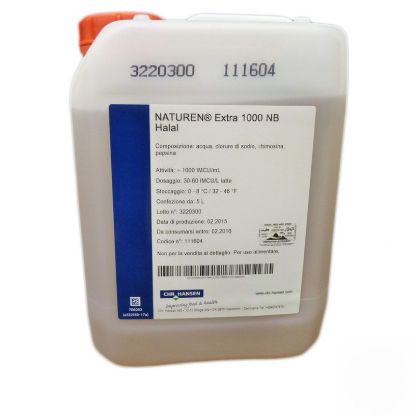
Natural rennet NATUREN® Extra 1000 NB Halal 5L
I200PRE0430
NATUREN® Extra 1000 NB Halal can be used for producing any type of cheese; hard, semi-hard, soft, mold-ripened, low-fat and ingredient cheeses.
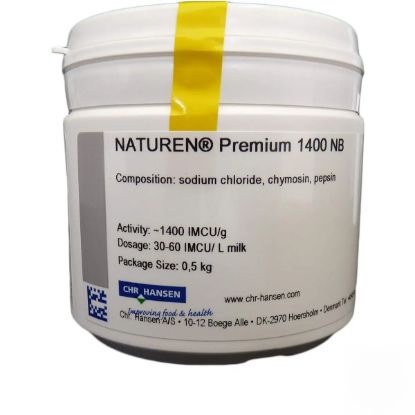
Natural rennet NATUREN® Premium 1400 NB 500g
I200PRE0500
NATUREN® Premium 1400 NB can be used for producing any type of cheese; hard, semi-hard, soft, mold-ripened, low-fat and ingredient cheeses.
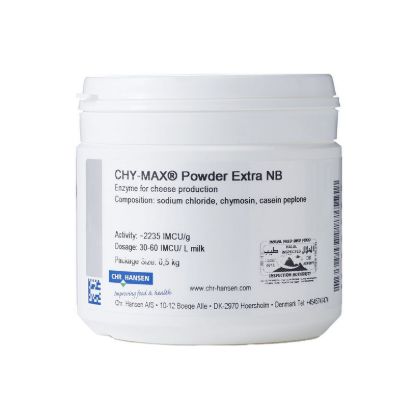
CHY-MAX® Powder Extra NB 500g
I200PRE0800
CHY-MAX® Powder Extra NB can be used for producing any type of cheese; hard, semi-hard, soft, mold-ripened, low-fat and ingredient cheeses.
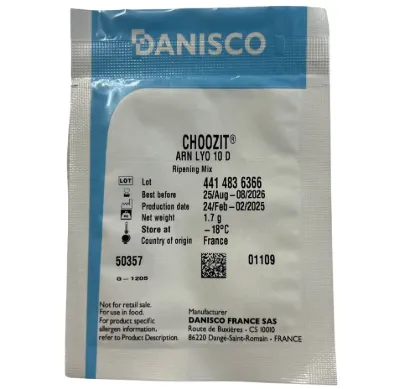
ARN Freeze-dried 10 D
I201CDL0020
- Aroma development and presentation of cheeses.
- ARN LYO 10 D produces the specific flavour of Normandy cheese and a balanced surface flora between Penicillium candidum and acid-sensitive bacteria.
- Two types of Brevibacterium aurantiacum are used in ARN LYO 10 D: the orange type and the ivory type.
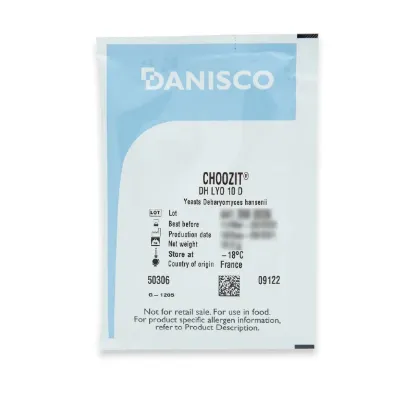
DH Freeze-dried 10 D
I201CDL0080
- Rapid growth capability, preparing the substrate for acid-sensitive organisms and inhibiting the growth of undesirable fungal contaminants.
- Rapid neutralisation capability, aroma development and enzymatic activity.
- DH LYO 10 D is compatible with other desirable flora during cheese making.
- Carbohydrate metabolism: assimilation of sugars (strictly aerobic).
- Protein metabolism: caseolytic and aminopeptidasic activity, yielding peptides and amino acids.
- Lipid metabolism: degradation of triglycerides.
- Polyvalent culture: equally effective with natural and artificial casings.
- Development of a very short, thin, off-white coating with a traditional appearance.
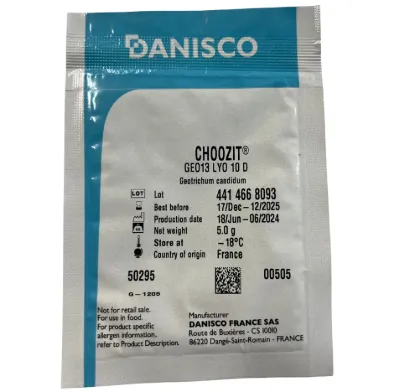
GEO 13 Freeze-dried 10 D
I201CDL0120
Rapid de-acidification of curd by metabolism of lactic acid due to rapid growth (24-48 hours) of a selected, easily controlled surface flora. Enzymatic activity is weak compared to Penicillium candidum, but aroma and flavour development is excellent. Enhances the implantation of Corynebacteria by neutralising the acid and producing growth stimulants. Enhances the final appearance of the cheese, reduced proteolysis (less ammonia) and contaminant control.
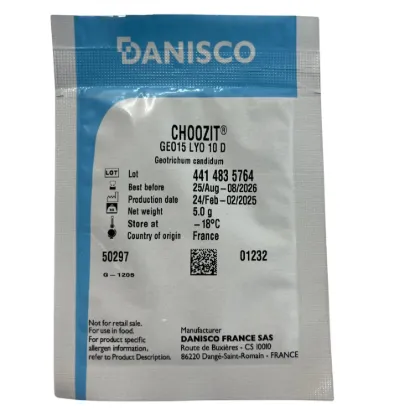
GEO 15 Freeze-dried 10 D
I201CDL0140
Rapid de-acidification of curd by metabolism of lactic acid due to rapid growth (24-48 hours) of a selected, easily controlled surface flora. Enzymatic activity is weak compared to Penicillium candidum, but aroma and flavour development is excellent. Enhances the implantation of Corynebacteria by neutralising the acid and producing growth stimulants. Enhances the final appearance of the cheese, reduced proteolysis (less ammonia) and contaminant control.
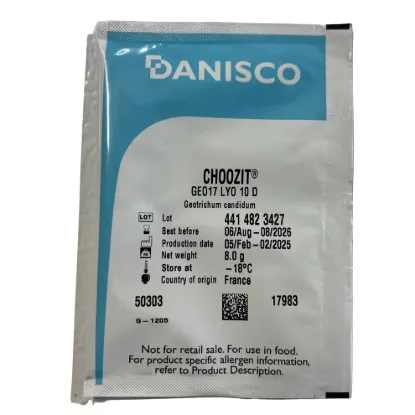
GEO 17 Freeze-dried 10 D
I201CDL0160
- GEO17 LYO 10 D is a mould-like form.
- It is better to use GEO17 LYO 10 D in association with Penicillium Candidum.
- Trend to reduce the thickness of cheese rind is to increase the dosage of GEO17 LYO 10 D to the detriment of Penicillium Candidum dosage.
- Rapid de-acidification of curd by metabolism of lactic acid due to rapid growth (24-48 hours) of a selected, easily controlled surface flora.
- Enzymatic activity is weak compared to Penicillium candidum, but aroma and flavour development is excellent.
- Enhances the final appearance of the cheese: less dense 'felt' of the Penicillium surface flora, reduced proteolysis (less ammonia) and contaminant control.
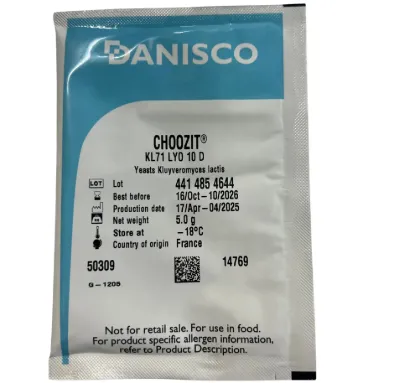
KL71 Freeze-dried 10 D
I201CDL0190
- Development potential of KL 71 LYO 10 D in the cheese maturation environment.
- Rapid neutralisation capability, aroma development, and enzymatic activity.
- KL 71 LYO 10 D is compatible with other desirable flora during cheese making.
- Carbohydrate metabolism: assimilation of sugar (strict aerobic).
- Protein metabolism: caseolytic and aminopeptidasic activity, yielding peptides and amino-acids.
- Lipid metabolism: degradation of triglycerides.
- Kluyveromyces lactis is a synonym of Kluyveromyces marxianus var. lactis.
LH 100 Freeze-dried 50 DCU
I201CDL0290
LH 100 LYO 50 DCU represents a very robust thermophilic culture. Due to its enzymatic characteristics, this culture can especially be applied as a supplement culture for the production of cheese with differientiated flavour.
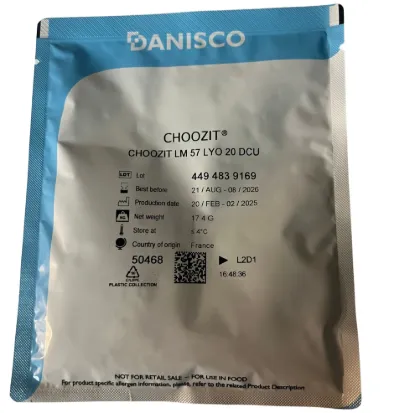
LM 57 Freeze-dried 20 DCU
I201CDL0300
- Gas producing mesophilic cultures.
- Gas production is measured on sterilised reconstituted milk (13%), standardised to pH 6.60, to which has been added 5g per litre yeast extract, incubated at 30°C for 24 hours.
- 40 ml of inoculated milk with a concentration of 2 DCU / 100 l of milk and incubated at 30°C for 24 hours give, in experimental conditions, more than 25ml of CO².
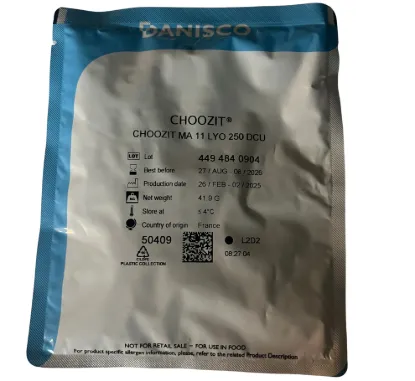
MA 11 Freeze-dried 250 DCU
I201CDL0390
Mesophilic cultures providing reliable acidification profiles.
Eliminates the need for bulk starter preparation.
A phage alternative is available on request.
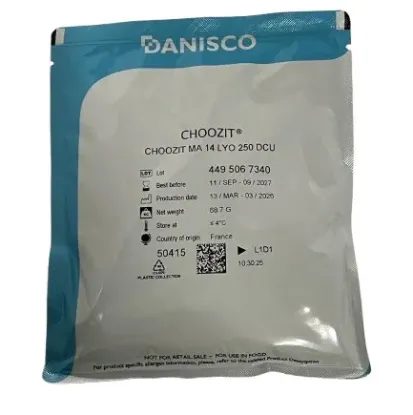
MA 14 Freeze-dried 250 DCU
I201CDL0420
Mesophilic cultures providing reliable acidification profiles.
Eliminates the need for bulk starter preparation.
A phage alternative is available on request.
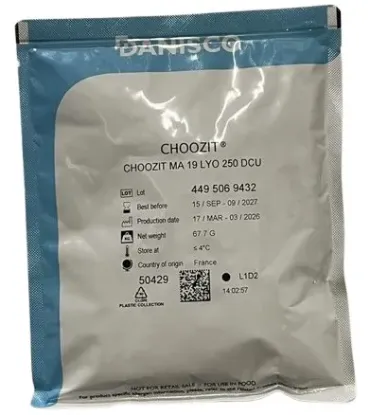
MA 19 Freeze-dried 250 DCU
I201CDL0490
Mesophilic cultures providing reliable acidification profiles.
Eliminates the need for bulk starter preparation.
A phage alternative is available on request.