







Cultures

CHN-11 Freeze-dried 50 u
Mesophilic aromatic culture, type LD.
The culture produces flavor and CO2.
This range provides cultures with fast acidification properties at a low inoculation rate.
The culture is primarily used in the manufacturing of Continental semi-hard cheese varieties with eyes, e.g. Gouda, Edam, Leerdam and Havarti.

ABY-3 Freeze-dried 50 u
Thermophilic lactic acid culture.
Contains the documented probiotic strains BB-12 ® and LA-5®.
The strains have a long history of safe use.
The culture will produce yoghurt or fermented milk with high body, very mild flavor and very low post-acidification.
Suitable for cup set, stirred and drinking yoghurt.

CHN-22 Freeze-dried 50 u
Mesophilic aromatic culture, type LD.
The culture produces flavor and CO2.
This range provides cultures with fast acidification properties at a low inoculation rate.
The culture is primarily used in the manufacturing of Continental semi-hard cheese varieties with eyes, e.g. Gouda, Edam, Leerdam and Havarti.
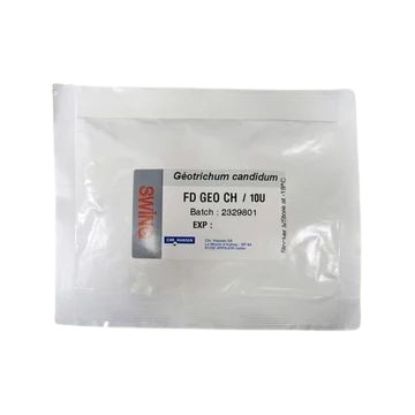
GEO CH Swing Freeze-dried 10 u
A selected single strain ripening culture with origin in traditional French cheese making.
The SWING® GEO cultures contributes to the flavor, texture, and appearance of cheese.
The culture is available as a conidia suspension.
The culture may be used in production of many types of cheeses including white mold surface (e.g.Camembert type), smeared and mixed rind, soft and semi-hard, and blue mold cheeses.
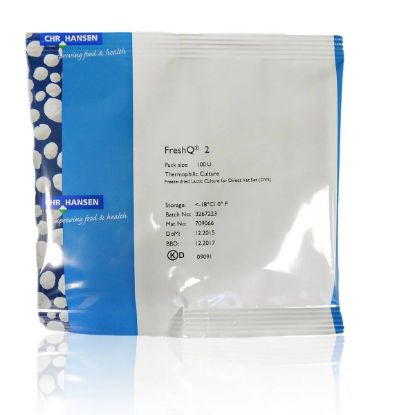
FreshQ 2 Freeze-dried 100 u
The FreshQ® cultures are combinations of traditional lactic acid bacteria that deliver inhibition of unwanted yeast and moulds in fermented dairy products.
The effect is obtained through active participation in the natural fermentation.
The cultures are added in combination with the normal starter culture in the production of fermented dairy products.
The cultures are developed for application in e.g. Fresh cheese, yoghurt, sour cream.

CHN-19 Freeze-dried 50 u
Mesophilic aromatic culture, type LD.
The culture produces flavor and CO2.
This range provides cultures with fast acidification properties at a low inoculation rate.
As a principal rule 1000 U of freeze-dried DVS cultures will correspond to 100 l of active bulk starter.
However, specific usage rates should be determined experimentally before a new application.
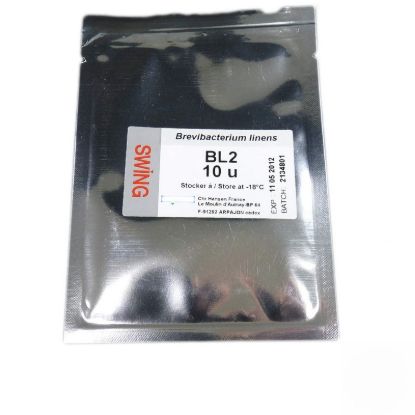
BL-2 Swing Freeze-dried 10 u
A selected single strain culture with origins in traditional cheese making.
Brevibacterium is one of the most important surface bacteria for its role in coloring the surface of the cheese, and producing flavor.
The culture may be applied in the production of smeared soft and semi-hard cheeses, mold soft cheese, or mixed rind cheeses.
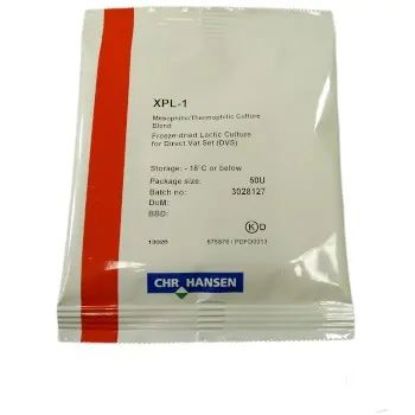
XPL-1 Freeze-dried 50 u
Blend of mesophilic aromatic eXact® culture, type LD and thermophilic culture.
The eXact-Plus culture produces texture, flavor and CO2.
Manufacturing of the following fermented milk products:
- Kefir type products
- Crème fraiche/sour cream Fermented milks produced with XPL cultures will have extra high texture, high flavor and medium CO2.

TT033 Swing Freeze-dried 10 u
Selected mold strains with origin in traditional cheese making.
SWING® PC culture is an essential ingredient in the ripening process of white mold cheeses for its role in coloring the surface of the cheese, and contributing to the flavor and texture, as well as protection against contaminants.
The strains may be used on soft cheese with lactic features, camembert/brie types, Tomme, UF soft cheeses, stabilized soft cheeses and soft cheese with rennet features.

R-704 Freeze-dried 200 u
Mesophilic homofermentative culture, type O.
This Chr.Hansen culture range provides phage resistant defined strains for continuous Direct Vat Set (DVS) use.
This culture contains specially selected strains chosen for their phage resistance and ability to produce lactic acid quickly.
This culture does not produce CO2 .
The culture is primarily applied in the production of cheeses with a closed texture, e.g. Cheddar, Feta and Cottage cheese.
The culture can be applied in other fermented dairy products, in combination or not with other lactic cultures.
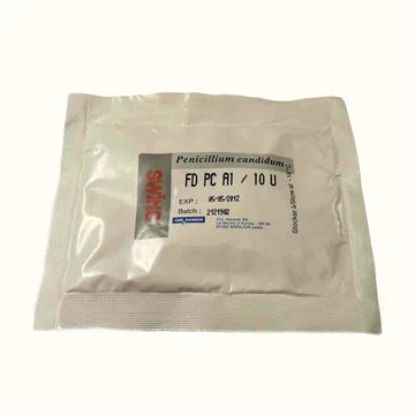
PCA1 Swing Freeze-dried 10 u
Selected mold strains with origin in traditional cheese making.
SWING® PC culture is an essential ingredient in the ripening process of white mold cheeses for its role in coloring the surface of the cheese, and contributing to the flavor and texture, as well as protection against contaminants.
The strains may be used on soft cheese with lactic features, camembert/brie types, Tomme, UF soft cheeses, stabilized soft cheeses and soft cheese with rennet features.
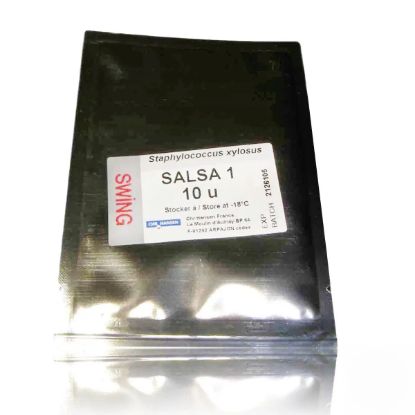
SALSA 1 Swing Freeze-dried 10 u
A selected single strain ripening culture with origins in traditional cheese making.
SALSA is used to flavor cheeses where sulphur/traditional raw milk cheese aroma is desired.
The culture may also be used to affect texture or for coloring the surface of smeared cheeses.
La culture peut être utilisée dans la fabrication de tous types de fromages à croûtes lavées (morgées) ou mixtes.
elle contribue à assouplir la pâte et à réduire le temps d'affinage.
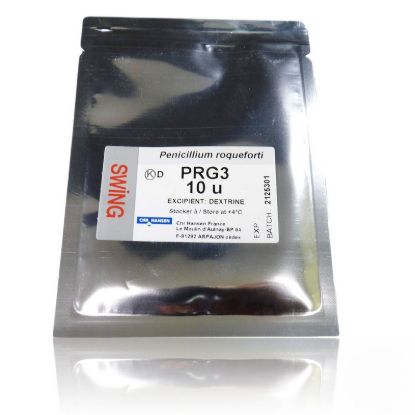
PR G3 Swing Freeze-dried 10 u
A selected single strain ripening culture with origin in traditional Italian cheese making.
SWING® PRG cultures are specially selected for use in Gorgonzola cheese.
The culture contributes to the characteristic flavor, texture, and appearance of cheese.
The cultures have been specially selected to meet the technological requirements for the gorgonzola cheese process.
It may also be used in modern blue types to obtain a well balanced light flavor.
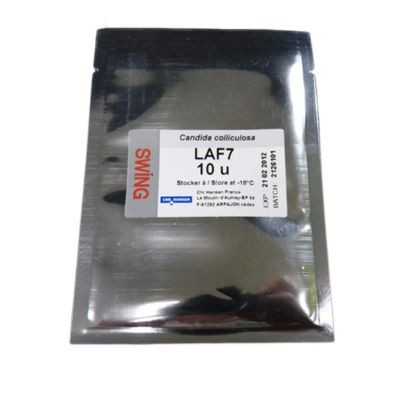
LAF 7 Swing Freeze-dried 10 u
Selected yeast single strain with origin in traditional French cheese making.
SWING® LAF cultures are an important tool in cheese making since they may be used to affect curd neutralization, texture and flavor.
Yeasts are common in traditional raw milk cheeses but arerarely found in industrially produced cheeses.
Therefore adding selected and controlled yeast cultures to the cheese may improve quality.
The yeast culture may be used to provide a balanced flavor and medium to high levels of CO2 formation in Kefir type products.
The culture will provide flavor and medium to high CO2 formation.

ST-B01 Freeze-dried 50 u
Defined thermophilic culture containing strains selected for their moderate lactic acid production and low post acidification.
The culture is primarily applied in the production of soft cheeses with low post acidification, e.g. stabilized cheeses and modern Camembert and Emmenthal types.
The culture can be applied alone (for stabilized soft cheese) or in combination with other lactic acid cultures, e.g. Lactobacillus helveticus (for Emmenthal).
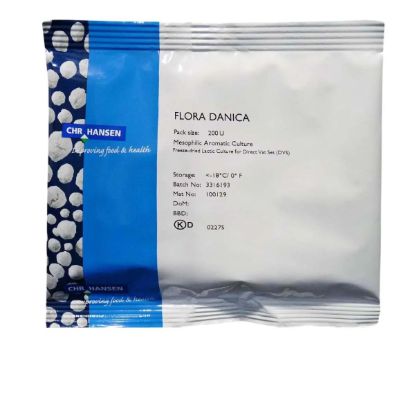
FLORA-DANICA Freeze-dried 200 u
Mesophilic aromatic culture, type LD.
The culture produces flavor and CO2.
The culture is primarily used in the manufacture of Continental cheese types (Gouda, Edam, Leerdam, Samsoe) and soft cheese types (Lactic cheeses, Camembert, Blue cheese).
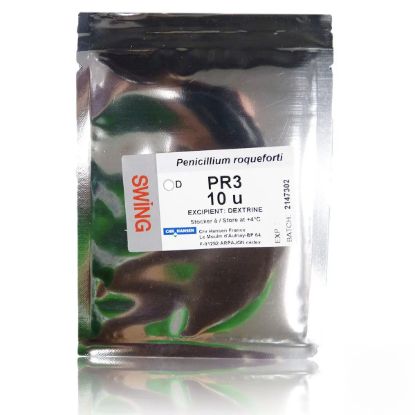
PR3 Swing Freeze-dried 10 u
A selected single stain ripening culture with origin in traditional cheese making.
SWING® P.R.cultures are an essential ingredient in the ripening process of blue mold cheeses.
The cultures will upon germination develop a blue mycelium in the cheese and contribute to the typical flavor (by lipolysis) and texture (proteolysis) of the cheese.
The culture may be used in production of Danablu, Roquefort type, Stilton and other blue cheese types.
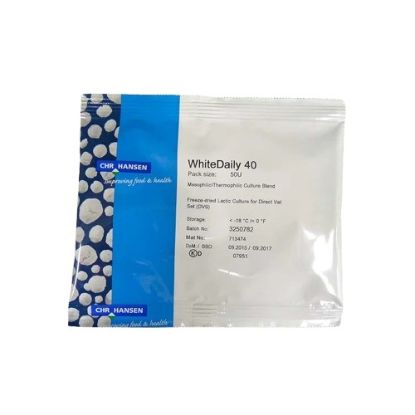
WhiteDaily 40 Freeze-dried 50 u
Homofermentative culture blend.
The culture does not produce CO2.
The culture is used in the production of White Cheeses, Feta or UF products.
Depending on production process, the texture will be firm with some holes or closed.
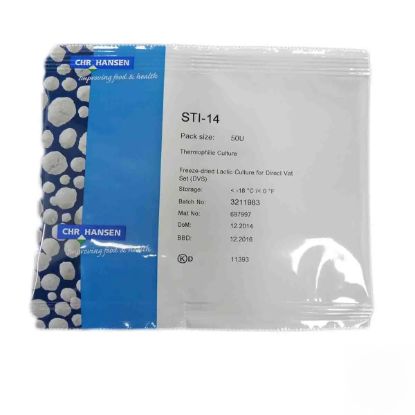
STI-14 Freeze-dried 50 u
Thermophilic lactic acid culture.
The culture is primarily applied in Pasta Filata cheese types e.
g Mozzarella and Pizza cheese types.
The culture can be applied alone or in combination with other lactic acid cultures, e.g. Lactobacillus delbrueckii subsp.bulgaricus and Lactobacillus helveticus.
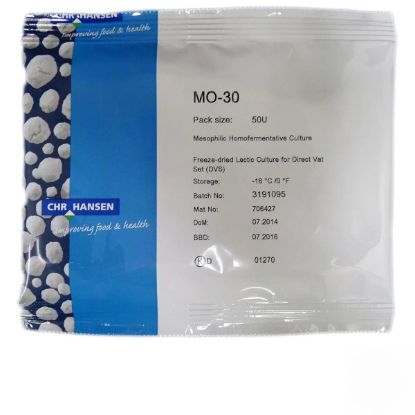
MO-30 Freeze-dried 50 u
Mesophilic homofermentative culture, type O.
This culture contains specially selected strains chosen for their phage resistance and ability to produce lactic acid quickly.
This culture does not produce CO2.
The culture is primarily used in the manufacture of Continental cheese types with no eyes and short texture (e.g.Pecorino) and soft cheese specialties.
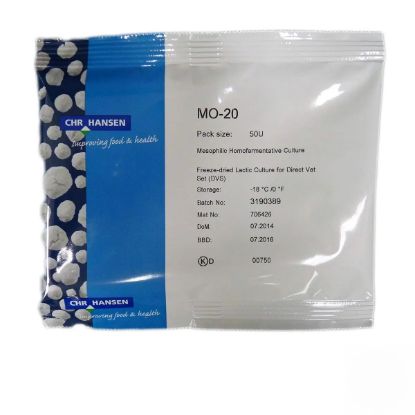
MO-20 Freeze-dried 50 u
Mesophilic homofermentative culture, type O.
This culture contains specially selected strains chosen for their phage resistance and ability to produce lactic acid quickly.
This culture does not produce CO2.
The culture is primarily used in the manufacture of Continental cheese types with no eyes and short texture (e.g.Pecorino) and soft cheese specialties.

LH-B02 Freeze-dried 50 u
Defined thermophilic lactic acid culture.
The culture enhances the overall flavor intensity of the cheese by accentuating important flavor notes.
The culture is primary applied in the production of Italian and Swiss cheese varieties.
The culture can be applied alone or in combination with other lactic cultures, e.g. Streptococcus thermophilus and Lactobacillus delbrueckii subsp.bulgaricus and LD culture.

RST-743 Freeze-dried 50 u
A defined strain homofermentative culture blend with improved resistance to bacteriophages.
The culture does not produce CO2.
The culture is primarily applied in the production of semi-hard, hard and very hard pressed cheeses with a closed texture and a min cooking temperature at 35°C (95°F).
Examples of applications are Cheddar, Cheshire, Colby, Monterey Jack, Munster, Fontal, Raclette & Saint Paulin.

MO-10 Freeze-dried 50 u
Mesophilic homofermentative culture, type O.
This culture contains specially selected strains chosen for their phage resistance and ability to produce lactic acid quickly.
This culture does not produce CO2.
The culture is primarily used in the manufacture of Continental cheese types with no eyes and short texture (e.g.Pecorino) and soft cheese specialties.